Overview
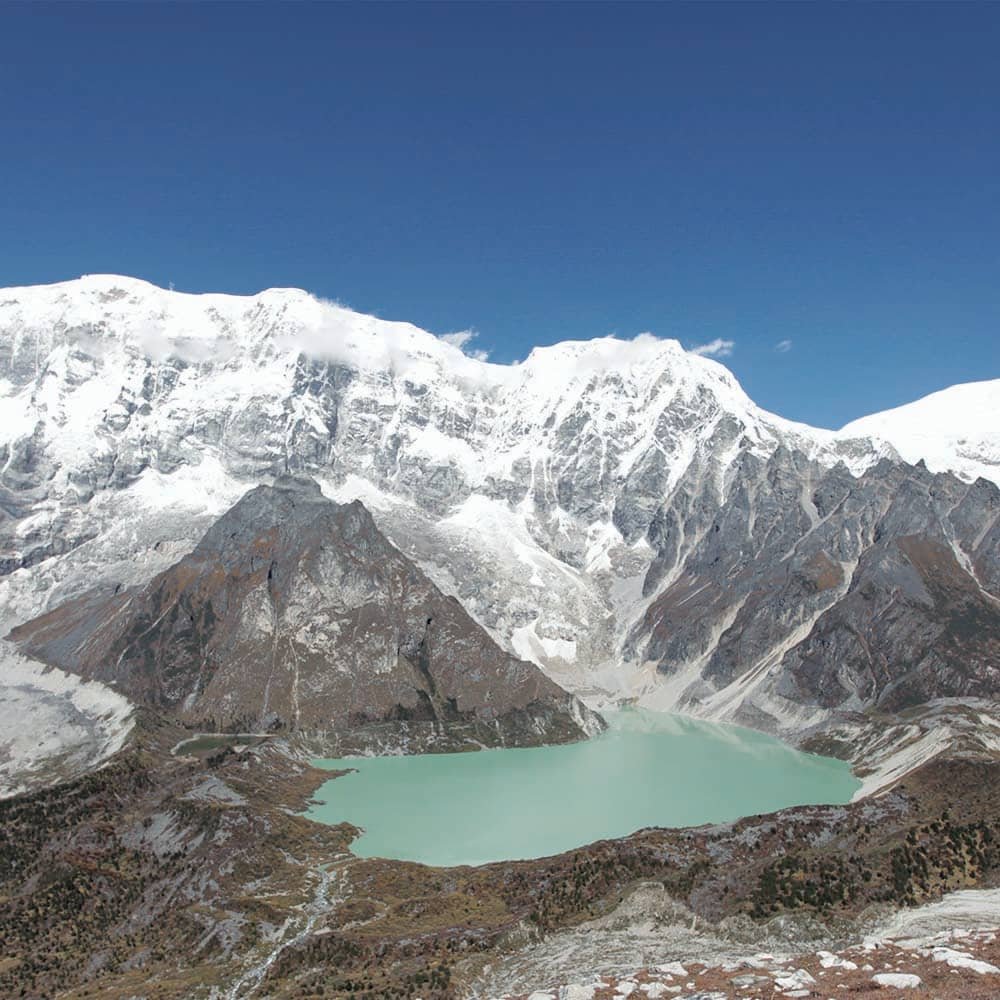
Experience the raw, high-altitude majesty of the Himalayas on the Laya-Gasa Trek. This elite 16-day expedition is meticulously designed for the seasoned trekker seeking a blend of grueling physical challenge and profound cultural immersion.
From the vertical cliffs of the Tiger’s Nest to the remote Royal Highland Festival at Laya, this journey traverses the heart of Bhutan’s wilderness, offering unrivaled access to unclimbed peaks and ancient traditions.
Highlights
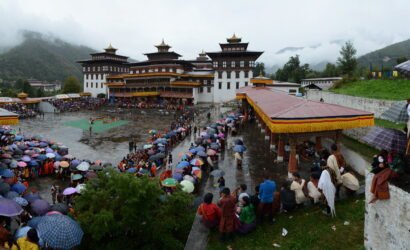
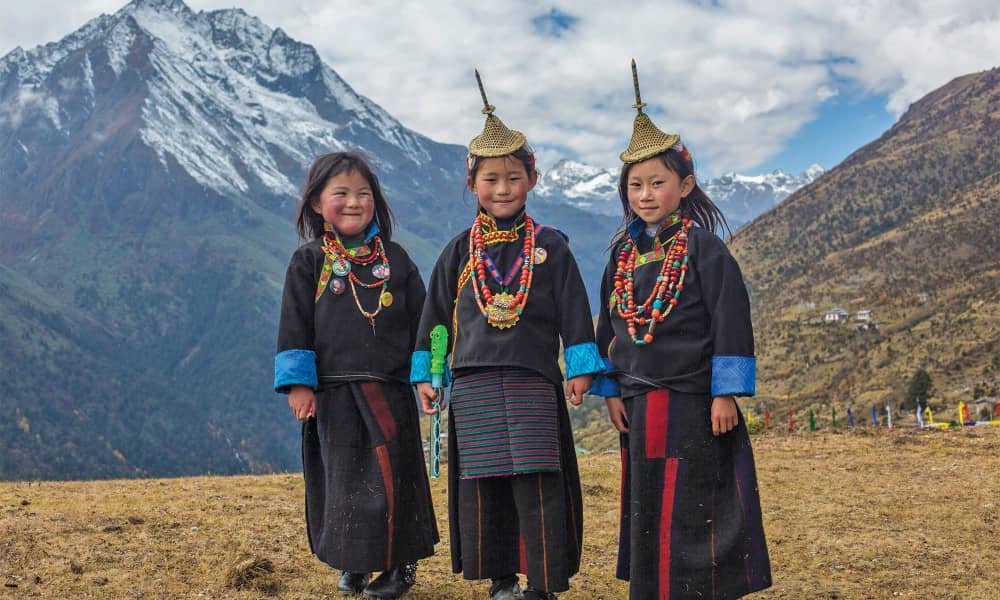
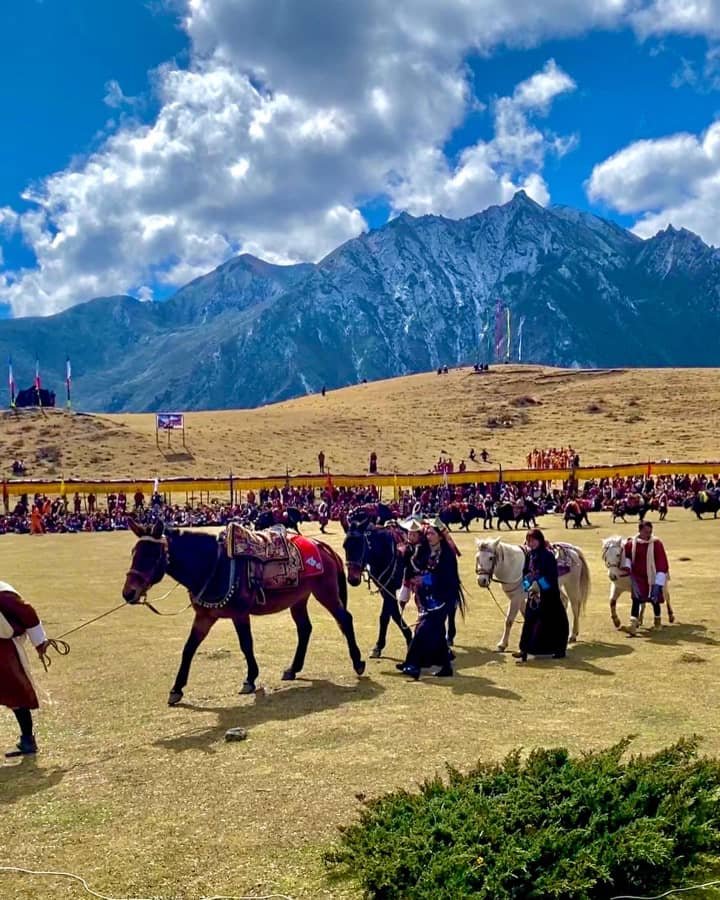
- Cultural Exclusivity: Join the Layap people, distinguished by their conical bamboo hats, for their annual highland festival, a vibrant display of high-altitude heritage.
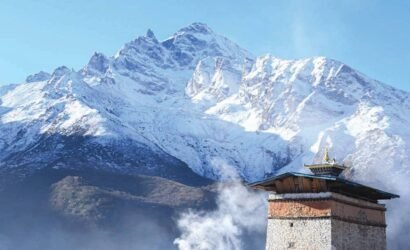
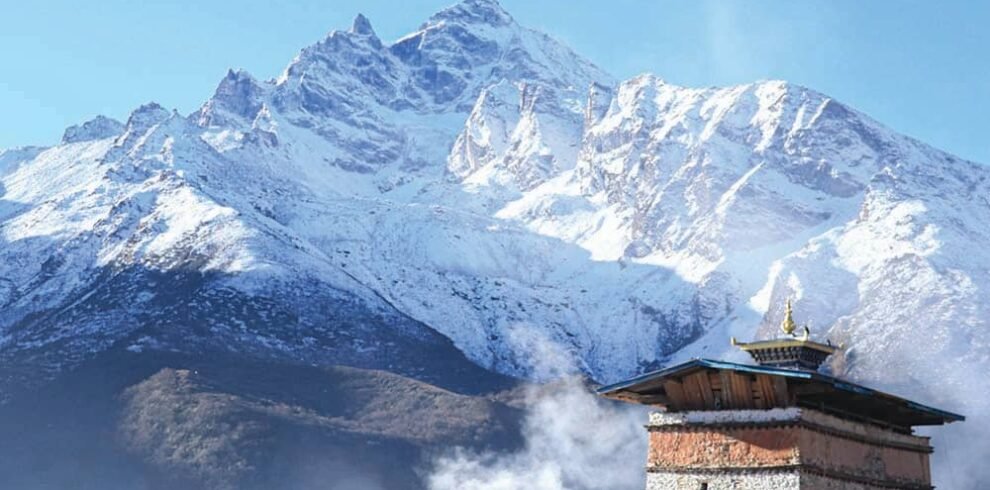
- The "Great Tiger Mountain": Traverse the sanctuary of the Takin (Bhutan’s national animal) and trek under the gaze of Jomolhari and Gangchhenta and unclimbed giants like Jichu Drake.
- Authentic Himalayan Life: Beyond the trail, soak in traditional hot stone baths, visit ancient dzongs (fortresses), and stay in villages where the modern world feels like a distant memory.
Itinerary
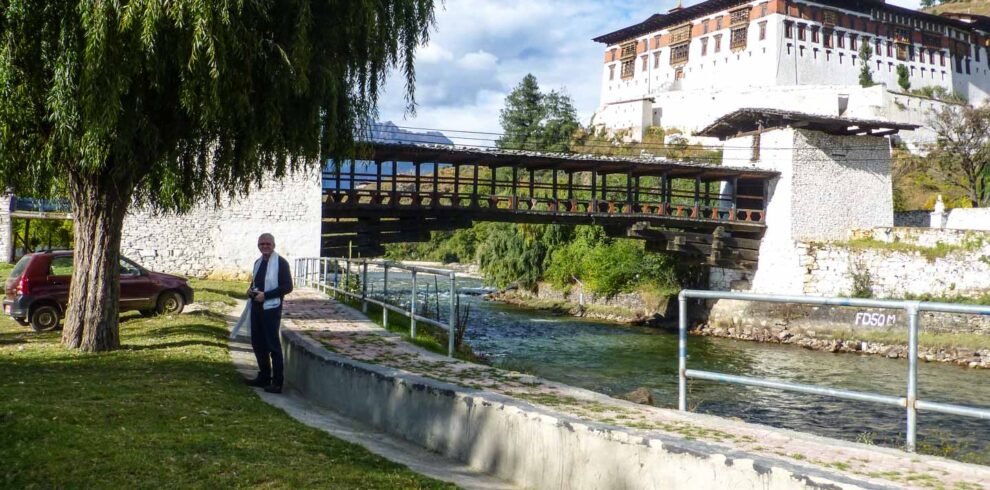
Gateway to the Kingdom – Welcome to Bhutan. Visit the Rinpung Dzong and the National Museum before an evening at a traditional farmhouse featuring a therapeutic hot stone bath and authentic traditional Bhutanese dinner.
A critical acclimatization trek to Taktsang Monastery, Bhutan’s most iconic cultural landmark. Later, visit the 7th century Kyichu Lhakhang, one of Bhutan’s oldest temples.
A demanding "rock-hopping" ascent through conifer and rhododendron forests along the Paro Chhu River to your first high-altitude camp.
Trek through alpine meadows to Jangothang, one of the Himalayas’ most beautiful campsites, featuring stunning vistas of the majestic Mount Jomolhari.
A necessary ‘rest day’. Options include exploring trout filled lakes, glaciers of Mount Jomolhari, or scouting Jichu Drake, one of the world's few remaining unclimbed peaks. Keep an eye out for blue sheep on the upper slopes.
A gradual but rapid climb to the Nyilila pass for panoramic views of Mount Tsherimgang before descending through pastoral yak herders’ tents to Lingshi Dzong.
A shorter recovery day. Visit the Lingshi Dzong, a fortress defined by its "mystic silence" and ridge-top isolation. Pass through the unique, compact stone village of Goyul. Camp by a stunning waterfall in Chebisa.
Cross the 4,410m Gobu La pass through the vast pastures where yak herders and blue sheep frequent to reach the Shomuthang campsite.
A strenuous climb to Jhari La (4,750m) for views of Gangchhenta (The Great Tiger Mountain). Cross the Takin Sanctuary valley, home to Bhutan’s rare national animal to reach the Robluthang campsite.
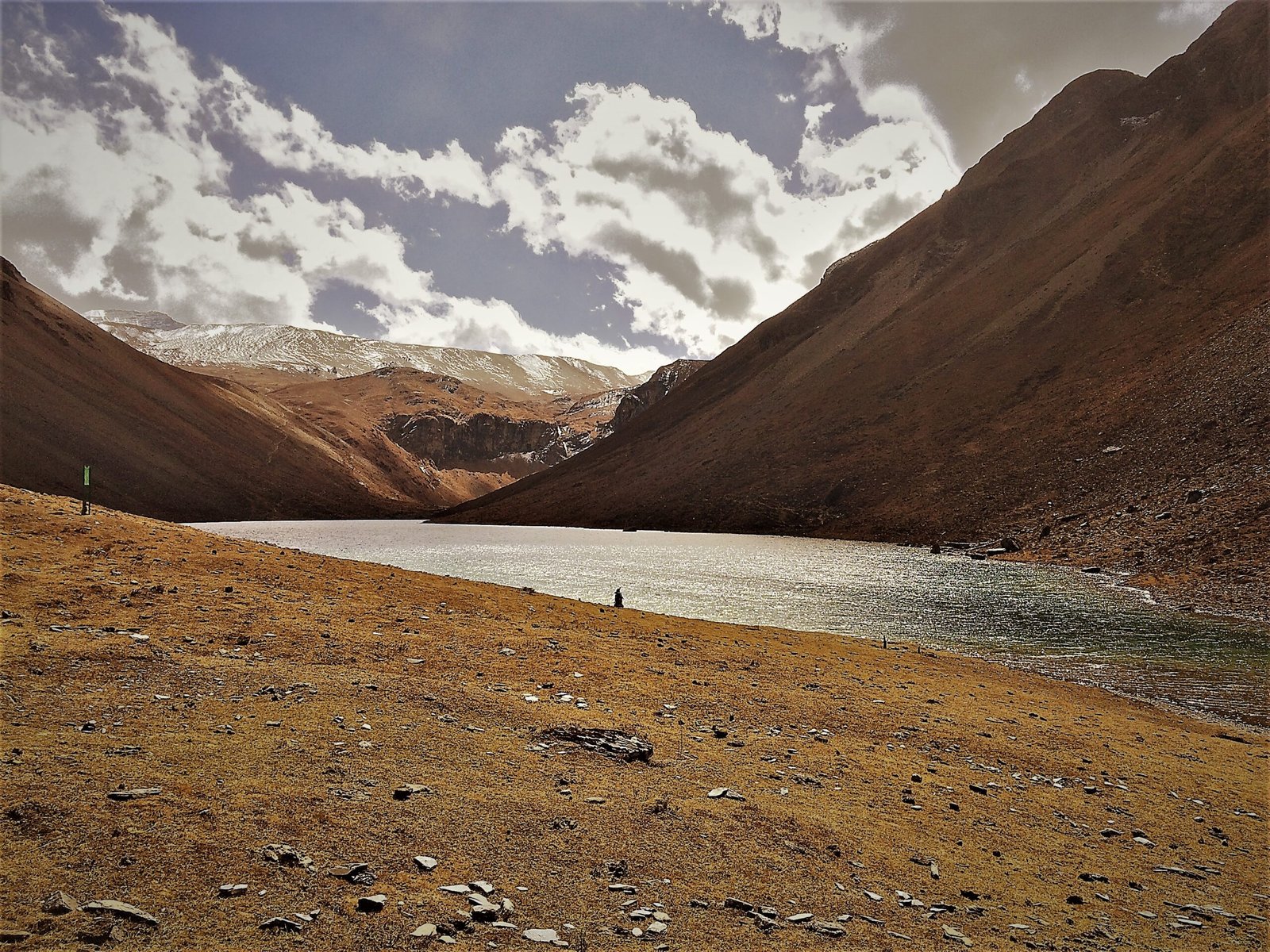
Conquer Sinche La, the trek’s highest pass. Descend past glacial lakes and terminal moraines into a cedar forest camp.
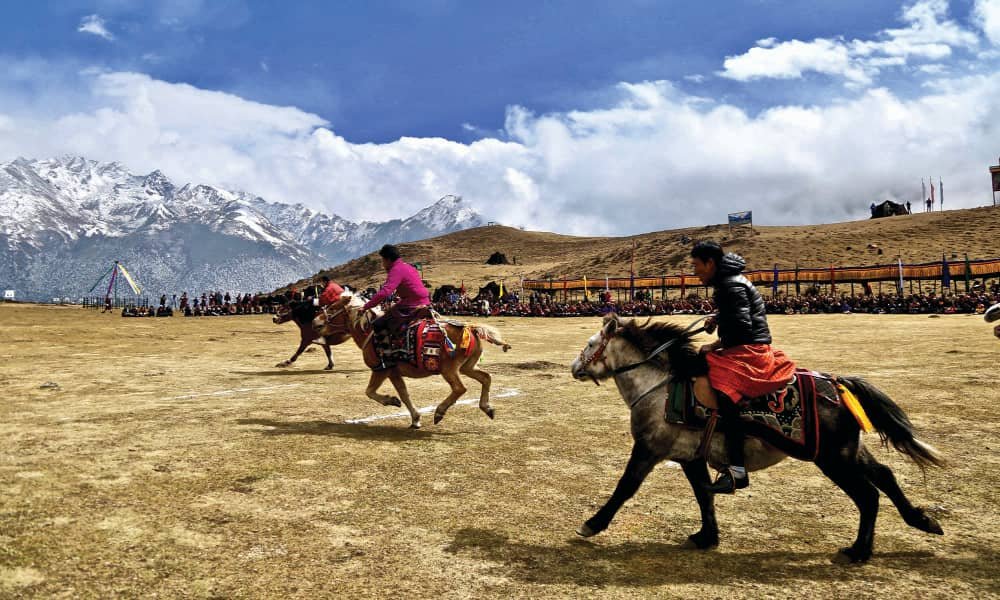
Descend into Laya, the second-highest settlement in Bhutan. Time your trek to participate in the Royal Highland Festival, a vibrant celebration of unique Layap culture. Witness traditional sports, dances, and the unique lifestyle of the Layap people.
Transition from the trail along Mo Chhu river to the road point. End the day soaking in the therapeutic Gasa Hot Springs.
Drive to the sub-tropical Punakha valley to witness the Punakha Dzong, an architectural masterpiece situated between the "male" and "female" rivers.
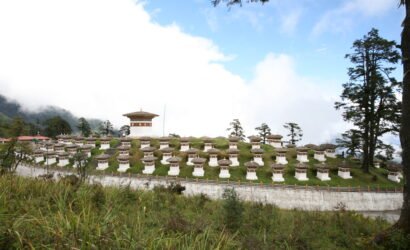
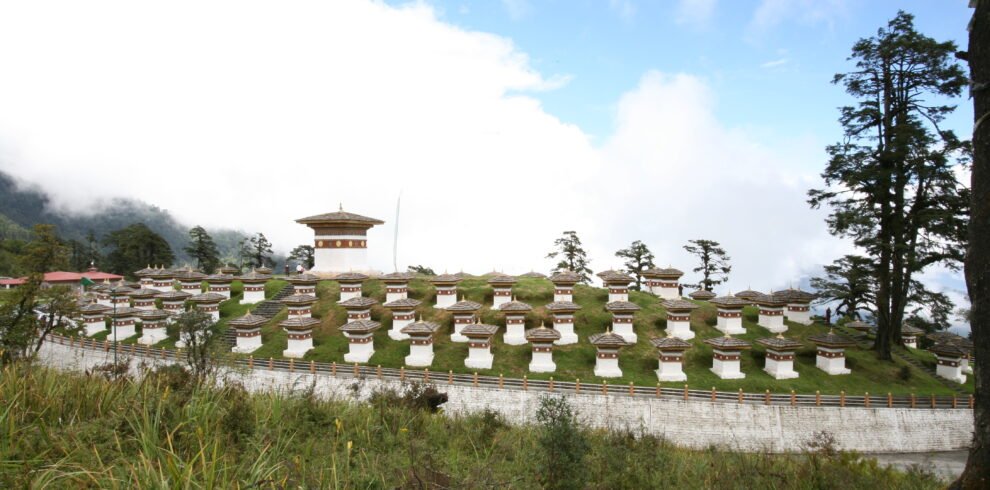
Cross the Dochula Pass (3,150m) for a panoramic view of the Himalayan range and its 108 stupas to reach the capital, Thimphu. Visit the 51-meter bronze Buddha Dordenma and the Simply Bhutan living museum.
Final breakfast before your guide bids you Tashi Delek (Good Luck) for your journey home from Paro International Airport.
Cost
The Cost Includes
- Full support by an elite trek crew, including Expedition Leadership: One dedicated Trekking Expedition Leader and an off-trek professional Guide.
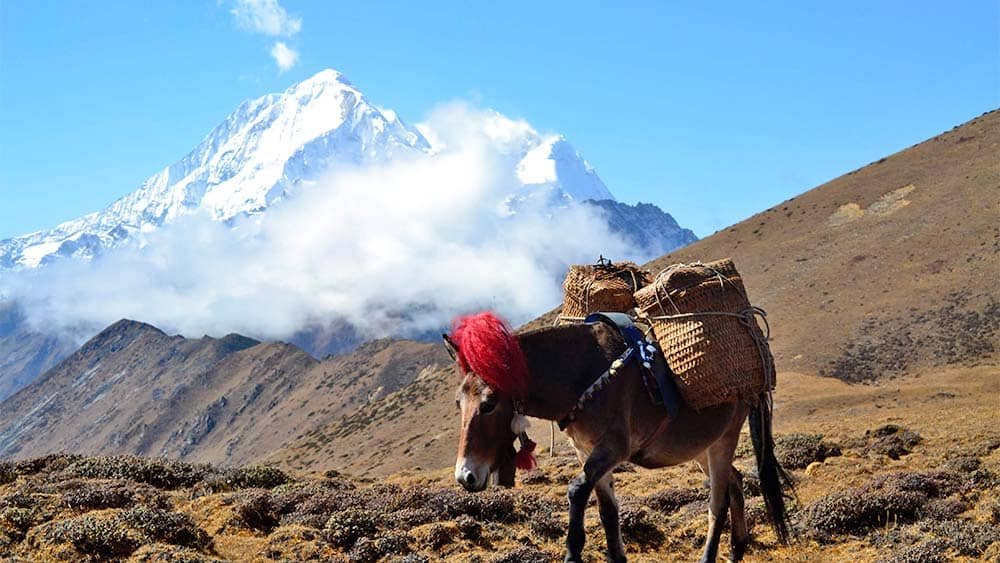
- Logistics: Dedicated SUV for transfers, airport transfers, camp kitchen support crew, horses and porters for all gears (Quality Sleeping, Dinning, Kitchen, and Toilet/Shower Tents), First Aid Medical Kit.
- Base camp Luxury: 3-star hotel stays and high-quality camp accommodation.
- Daily Dining: All breakfasts, lunches, dinners, and daily tea/coffee, along with packed field lunches for wilderness segments..
- Complete Hassle-Free Entry: Visa Processing & Government Clearances, Full Sustainable Development Fee (SDF). All Monument, Dzong, Museum, and Temple Entry Fees.
The Cost Excludes
- International Airfare: Flights to/from Paro (Drukair or Bhutan Airlines).
- Personal premium refreshments, bottled beverages, and alcoholic drinks.
- Customary tips and gratuities for guides, trekking crew, and drivers.
- Expenses of a purely personal nature.
- Travel Insurance: Highly recommended for high-altitude trekking.
FAQs
General
Yes. All international visitors (except citizens of India) require a visa to enter Bhutan. Your licensed Bhutanese tour operator will arrange the visa on your behalf before your arrival.
The Sustainable Development Fee (SDF) is a daily fee charged by the Royal Government of Bhutan to support sustainable tourism, environmental conservation, healthcare, education, and infrastructure development.
The main international gateway is Paro International Airport. Direct flights operate from selected cities in Thailand, Nepal, India, Singapore, and other regional destinations.
Yes. Bhutan is one of the safest travel destinations in the world, known for its low crime rate, friendly people, and peaceful environment.
The official currency is the Bhutanese Ngultrum (BTN). Indian Rupees are also widely accepted in most places.
Major hotels, shops, and restaurants in larger towns accept credit cards. However, carrying some cash is recommended when traveling to remote areas.
Pack comfortable walking shoes, layered clothing, a light jacket, sunscreen, sunglasses, a reusable water bottle, and any personal medications. Trekking tours may require additional gear.
Most cultural tours stay at comfortable elevations. However, high-altitude destinations and treks may reach over 3,000 meters, where some travelers may experience mild altitude-related symptoms.
Yes. Paro Taktsang, commonly known as Tiger's Nest, is Bhutan's most iconic attraction and can be visited as part of most itineraries.
The national language is Dzongkha. English is widely spoken in tourism-related services, hotels, and schools.
Absolutely. Bhutan offers family-friendly cultural experiences, nature walks, wildlife encounters, and comfortable accommodations suitable for travelers of all ages.
Visitors can choose from boutique hotels, luxury resorts, heritage homestays, traditional farmhouses, and comfortable trekking camps depending on their itinerary.
Yes. Comprehensive travel insurance covering medical emergencies, trip cancellations, and evacuation is highly recommended for all visitors.
A stay of 5–10 days is ideal for first-time visitors, allowing enough time to explore major cultural attractions, scenic valleys, monasteries, and local traditions.
Yes. Most tour operators offer tailor-made itineraries based on your interests, travel dates, budget, and preferred activities.
Bhutan hosts vibrant religious festivals called Tshechus throughout the year, featuring masked dances, cultural performances, and local celebrations.
Yes. Bhutan is renowned for its pristine trekking routes, ranging from short scenic hikes to challenging high-altitude expeditions, including the famous Snowman Trek.
Bhutan is the world's only carbon-negative country and is internationally recognized for its philosophy of Gross National Happiness, strong cultural preservation, and commitment to sustainable tourism.
Simply contact a licensed Bhutanese tour operator, choose your preferred itinerary, submit your passport details, and your visa and travel arrangements will be organized for you.
Booking Requirement
- Payment Transfer: Upon confirming your booking, tour costs must be transferred in advance to finalize visa processing and reservations.
- Passport Documentation: Please submit a clear, color photo-page scan of your passport along with a passport-sized digital photograph to initiate visa processing.
- Optional Flight Ticketing: If requested, we can arrange your Drukair or Bhutan Airlines flights. Please share your preferred travel dates, preferred route, and travel class.
Trekking Essentials
To make the best experience of your trekking tour, please prepare:
- Gear: Lightweight waterproof hiking boots, hiking poles, 3-liter water capacity, sunglasses and day-pack with rain cover.
- Clothing: Layers for temperatures ranging from sub-tropical to high-alpine, waterproof jacket & pants, and winter hat & gloves.
- Camp: Headlamp (with extra batteries), camp shoes, reading material and a journal to document the journey.
Technical Trek Specifications
- Max Altitude: Sinche La Pass 5,005m
- Daily Distance: 8km to 22km
- Daily Duration: 4 to 8 hours of active trekking
- Terrain: Alpine meadows, deep forests, glacial moraines, and rocky passes