Overview
Bhutan remains one of the world’s most exclusive and pristine ecological sanctuaries. Protected by a pioneering “High Value, Low Volume” philosophy, this carbon-negative Himalayan kingdom harbors over 700 bird species within its pristine, untouched habitats.
This definitive 16-day cross-section journey takes you from the world-renowned, biodiversity-rich Lingmethang Road to the tropical lowlands of Royal Manas National Park, you will track down globally vulnerable endemics, rare winter migrants, and iconic Himalayan specialties. This isn’t just a birding trip, it’s a bucket-list journey into the world’s most exclusive ecological sanctuary.
Highlights
- Yongkola & Lingmethang Road Birding – Explore one of the world's most celebrated birding corridors, home to Ward's Trogon, Bhutan Laughingthrush, Beautiful Nuthatch, and numerous Himalayan specialties.
- Royal Manas National Park Expedition – Search for the critically endangered White-bellied Heron, four species of hornbills, Golden Langurs, and exceptional tropical biodiversity.
- Tiger's Nest & Chele La Pass – Combine iconic Himalayan birding with Bhutan's most famous monastery, Taktsang (Tiger's Nest), and spectacular alpine landscapes near Chele La Pass.
Itinerary
The Journey: Land at Guwahati Airport and receive a warm greeting from your expert expedition team. We immediately begin our journey toward the Bhutan border.
En Route Birding: Stop at the Guwahati outskirts and the vital Dipor Bil wetlands to secure key lowland specialties.
Core Targets: Greater & Lesser Adjutants, Purple Heron, Asian Openbill, Pied Kingfisher, Purple Swamphen and Bronze-winged Jacana.
Welcome to Bhutan: Cross the border into the quiet frontier town of Samdrup Jongkhar, where your visa is seamlessly processed.
Nocturnal Search: A post-dinner walk around the lush hotel grounds introduces us to our first Bhutanese species, including the Red Junglefowl, White-rump Sharma, Asian Koel, Pale-chinned Flycatcher, and Yellow-vented Flowerpecker, before we scan the dark for the Oriental Scops Owl and the rare Large-tailed Nightjar.
Overnight: Samdrup Jongkhar.
Morning Expedition: Dive deep into the rich, unbroken lowland forests flanking the foothills. Flocks of vibrant forest birds populate the canopy.
Core Targets: The elusive Blyth’s Kingfisher, pairs of majestic Wreathed Hornbills, Golden-fronted Leafbird, Blue-ear Barbet, Little Spiderhunter, and the stunning Asian Fairy Bluebird.
Afternoon Highlights: Move through shifting mixed flocks to spot the Greater Necklaced Laughingthrush, Siberian Rubythroat, and seasonal vagrants like the Rosy Starling. Keep your eyes trained on the undergrowth for the Aberrant Bush Warbler.
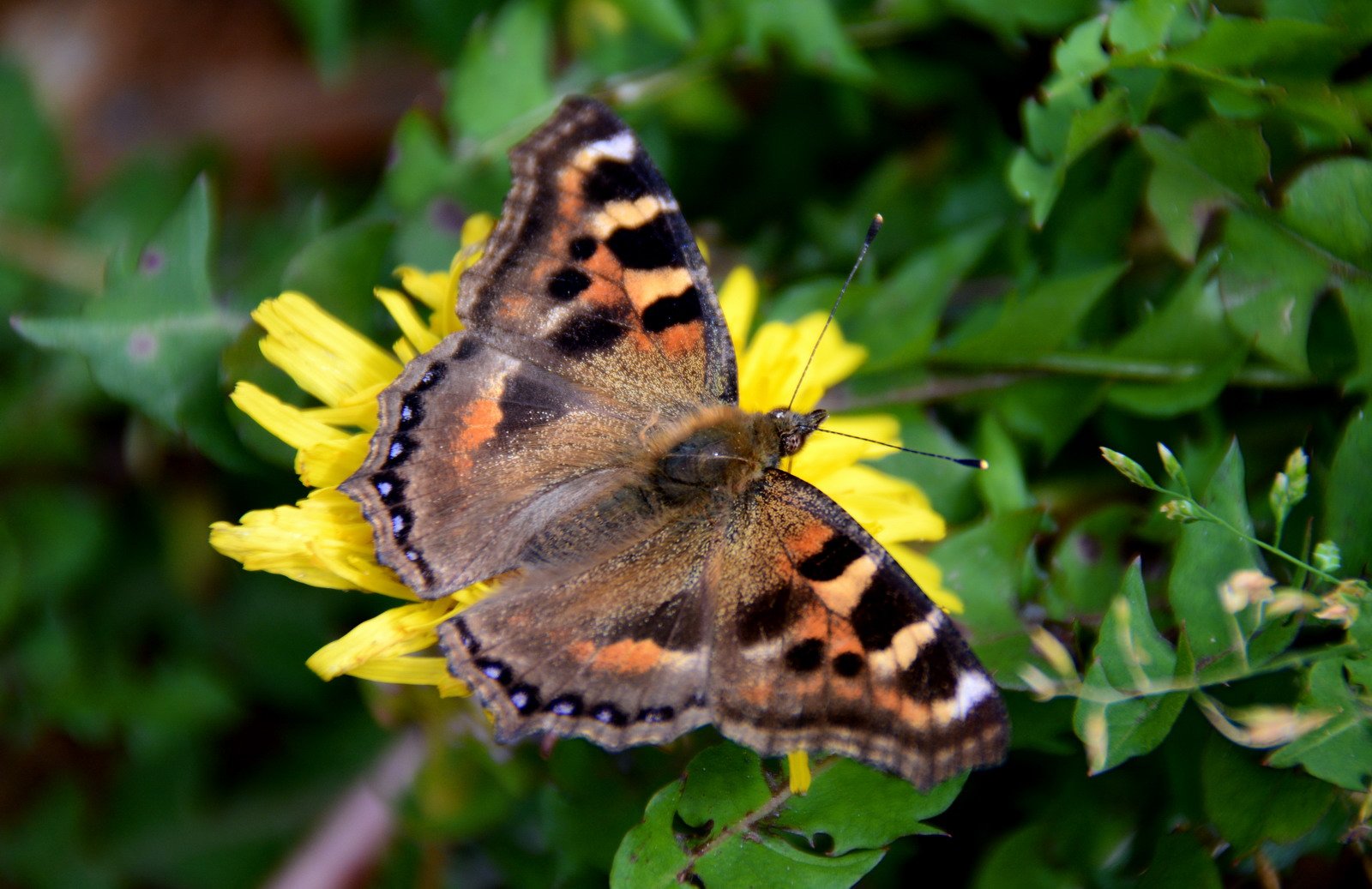
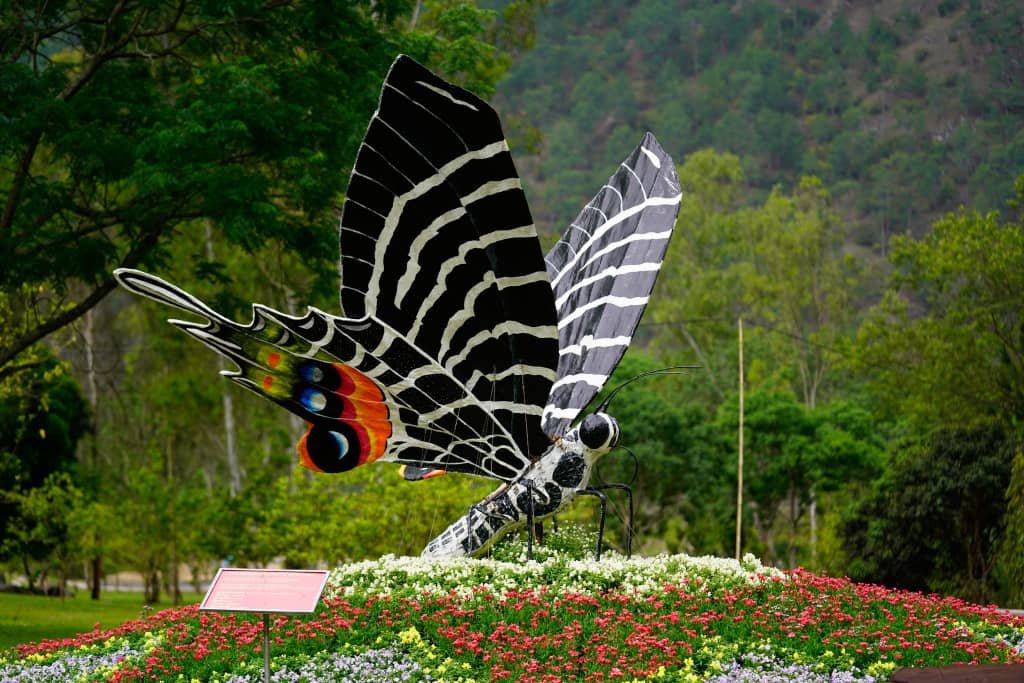
Botanical Bonus: This warm zone is alive with spectacular wild orchids and rare butterflies, offering a paradise for macro-photography.
Overnight: Deothang.
The Climb: Leave the plains behind as we wind upward through subtropical broadleaf forests.
The Morong Valley Stop: We pause in the famed Morong Valley, a premier hotspot for some of Asia's most sought after forest interior birds.
Core Targets: Beautiful Nuthatch (a major global prize), Rufous-necked Hornbill, Long-tailed Broadbill, Blue-winged Laughingthrush, Coral-billed Scimitar Babbler, White-browed Shrike Babbler, and Silver-eared Mesia.
High Pass Birding: Cross the scenic Kharung La (2,350m) and Yonphu La (2,570m) passes, scanning the moss draped branches for Gold-naped Finch, Crimson-breasted Woodpecker, Black-winged Cuckooshrike, and Bar-throated Siva.
Overnight: Druk Deothjung Resort, Trashigang (1,100m).
The Yadi Loops: Navigate the dramatic switchbacks climbing into cool, humid broadleaf forests.
Scenic Breaks: After a brief cultural walk through Mongar town, we focus entirely on the roadside forests leading to the holy grail of Asian birding: Yongkola.
Core Targets: Grey-sided Laughingthrush, Scarlet Finch, Fire-capped Tit, Steppe Eagle, Blue-naped Pitta, Speckled Piculet, Barn Swallow, Orange-headed Thrush, and the endemic Bhutan Laughingthrush.
Overnight: Trogon Villa, Yongkola (1,800m) - your perfectly positioned base for the ultimate birding blitz.
The Legend: Spend a full, intensive day exploring the iconic Lingmethang Road. Globally revered by ornithologists, this single stretch of protected road descends through an unparalleled gradient of pristine forest zones.
Morning Masterclass: An early start dedicated to finding the spectacular, enigmatic Ward’s Trogon, alongside Golden-breasted Fulvetta, Rufous-bellied Eagle, and Long billed Wren Babbler.
Midday & Afternoon Revelations: Birding along dramatic cliffside vistas and pristine waterfalls for Nepal House Martin, Scaly Laughingthrush, and Black-headed Shrike Babbler. Then spot forest gems like Himalayan Cutia, Red faced Liocichla, Rufous-chinned Laughingthrush, and the bizarre Spotted Elachura (the sole member of its own taxonomic family).
Nocturnal Safari: An optional evening drive targets the bizarre Hodgson’s Frogmouth, Mountain Scops Owl, and the massive Bhutan Giant Flying Squirrel.
Overnight: Trogon Villa.
The High Ascent: A 140 km journey that takes us through the mist-shrouded Namling and Sengor forests, climbing up into true alpine territory for Black-eared Shrike Babbler, Slender-billed Scimitar Babbler, Chestnut-bellied Rock Thrush, Black-throated Parrotbill.
The Sengor Sanctuary: In the damp, bamboo-heavy understory of Sengor, we search for the legendary Satyr Tragopan - a brilliantly colored pheasant that often forages right by the roadside at dawn.
Core Targets: Gould’s Shortwing (a massive Bhutan rarity), Fire-tailed Myzornis, Tickell’s Thrush, Solitary Snipe, and the Bar-winged Wren Babbler (found only in this specific sector of Bhutan).
Thrumshing La (3,799m): Stand at Bhutan’s second highest motorable pass. Here, in the crisp alpine air, we target flocks of stunning Blood Pheasants,White-throated Redstart, Hoary-throated Barwing, Himalayan Bluetail, Black-throated Thrush, Dark-rumped Rosefinch, Goldcrest, and specialized high-altitude Tits and Yuhinas.
Dusk Bird Calls: Arriving at Bumthang at dusk, listen for the elusive Himalayan Owl that recently split from the Tawny Owl.
Overnight: Bumthang Valley (2,800m).
Tharpaling Monastery: Start your morning at a sacred monastic retreat perched high on a mountainside, where wildlife has been strictly protected for centuries.
The Monal Phenomenon: Witness a truly breathtaking sight: wild, iridescent Himalayan Monals walking calmly on the monastery grounds, accustomed to being fed by the resident Buddhist monks.
Highland Seekers: Scan the rocky slopes for White-bellied Redstart, Himalayan Beautiful Rosefinch, Alpine Accentor, Black-faced Laughingthrush, Plain Mountain Finch, and the rare vagrant Godlewski Bunting.
Yotong La Pass (3,450m): Travel through the bamboo-rich Gattsa Valley to find White-winged Grosbeak, Great Parrotbill, Crimson-browed Finch, Hume’s Bush Warbler, Red-headed Bullfinch, and Red Crossbill.
Culture Heritage: Arrive in Trongsa, with an optional afternoon visit to the monumental Trongsa Dzong, the ancestral home of Bhutan's royal family.
Overnight: Trongsa (2,000m).
The Descent: Leave the high crags behind and plunge into the rich, subtropical valleys of Central Bhutan.
En Route Targets: Scarlet Minivet, Bay Woodpecker, Large Niltava, Scaly-breasted Wren Babbler, Spot-winged Starling, Barred Cuckoo Dove, and Large Hawk Cuckoo.Look for elusive gems like Wedge-tailed Green Pigeon, Eurasian Woodcock, and powerful raptors like the Mountain Hawk Eagle and Crested Goshawk soaring over the river gorges.
Welcome to Tingtibi: Drop into the lush, warm eco-zone of Tingtibi (700m). This area is world-renowned as the premier habitat for the Golden Langur—one of the world's most beautiful and endangered primates, found only in Bhutan and neighboring Assam.
Riverside Specialties: Check the waterways for Crested Kingfisher, Emerald Dove, Streaked Spiderhunter, Ashy Bulbul, and Rufous-necked Laughingthrush. If we are lucky, the rare sighting of Daurian Redstart and Peregrine Falcon.
Overnight: Tingtibi (700m).
The Crown Jewel: Today we journey to Panbang, the gateway to Royal Manas National Park - Bhutan’s oldest protected nature reserve and a legendary tropical treasure trove.
The Sacred Sighting: We focus heavily on the riverine habitats along the Tingtibi–Panbang road to search for the White-bellied Heron. With fewer than 60 individuals left on Earth, a sighting of this critically endangered giant is a historic moment for any international birder.
Core Targets: Great Hornbill, Barred Buttonquail, Green billed Malkoha, Sultan Tit, White-naped Yuhina, Blue bearded Bee-eater, and the elusive Rufous-throated Partridge and Rufous-bellied Eagle.
Hornbill Haven: In the evening, relax near the lodge where you have an excellent chance of spotting all four of Bhutan’s spectacular hornbill species in a single area.
Overnight: Panbang (400m).
The Morning Blitz: Bird the lush forests surrounding the Manas National Park outpost.
Core Targets: Large Woodshrike, Chestnut-headed Bee eater, the rare Jerdon’s Baza, Dollarbird, Thick-billed Green Pigeon, Indian Cuckoo, Savanna Nighjar, Dollarbird, Lesser Necklaced Laughingthrush and the rare Citrine Wagtail.
Mega-Mammal Track: The undisturbed canopies and riverbeds here are famous for incredible mammal sightings. Keep your binoculars ready for Asian Elephants, Golden Langurs, Wild Water Buffalo, Indian Palm Civet, Sambar and the highly elusive Clouded Leopard.
Afternoon Retrace: Journey back north up the valley toward Tingtibi, making opportunistic stops for mixed hunting parties.
Overnight: Tingtibi (700m).
Tama La Pass (1,660m): A highly strategic mid-elevation pass that serves as a transition zone between tropical plains and temperate hills.
The Honeyguide Strategy: Look for the fascinating Yellow rumped Honeyguide, which stays close to the massive hanging nests of the Giant Rock Bees.
Core Targets: Chestnut-winged Cuckoo, Fork-tailed Swift, Greater Yellownape, Long-tailed Minivet, Slaty-bellied Tesia, Pale Blue Flycatcher, White-tailed Robin, Lemon rumped Warbler, and the beautifully colored Red-billed Leiothrix.
Plains Descent: As we descend toward the border town of Gelephu, the bird composition transforms entirely. Watch the skies for Oriental Hobby, Osprey, and Changeable Hawk Eagle. Sight Alexandrine Parakeet, Squire-tailed Drongo Cuckoo, Blue-throated Blue Flycatcher, Green Bee-eater, Black-throated Sunbird, and Green Imperial Pigeon. Look along river pebbles for Little Ringed Plover, Intermediate Egret, Red-watted Lapwing, Common Kingfisher, and Striated Heron.
Overnight: Gelephu (250m).
The Sewage Pond Strategy: Don't let the name fool you the Gelephu sewage ponds are an absolute magnet for rare, wintering shorebirds and wading species.
Core Targets: Cinnamon Bittern, the rare Great Thick-knee, Pin-tailed Snipe, Black Baza, Lesser Whistling Duck, Red-nape Ibis, and the enigmatic Black Stork.
Tsirang Road Exploration: Spend the afternoon exploring a mosaic of traditional farmlands and sub-tropical scrub. This area is teeming with Indian Peafowl, Oriental Pied Hornbill, Coppersmith Barbet, Large Scimitar Babbler, Rose-ringed Parakeet, Bonell’s Eagle, Lesser Coucal, Indian Roller, and flashing Crimson Sunbirds.
Overnight: Gelephu (250m).
The Himalayan Flight: Board a scenic 25-minute domestic flight to Paro. On a clear day, the window seats offer mind-blowing, eye-level views of the high snow peaks of the Eastern Himalayas.
Cultural Icon: Visit the iconic 17th-century Paro Rinpung Dzong, a stunning example of classic fortress architecture.
The Chele La Foothills: Spend the late afternoon birding the lower sections of the Chele La highway.
Core Targets: Kalij Pheasant, Wallcreeper (the ultimate winter prize for rock-face birding), Northern Goshawk, Pygmy Wren Babbler, and Dark-breasted Rosefinch.
Overnight: Paro (2,300m).
The Icon: Today we embark on the classic Bhutanese pilgrimage: a half-day hike to Taktsang Monastery (Tiger’s Nest), spectacularly anchored to a sheer cliff face 900 meters above the valley floor.
Pine Forest Birding: The steady climb through ancient blue pine and oak forests is rich with high-altitude species. Look out for the Himalayan Buzzard, Eurasian Sparrow, White Wagtail, Darjeeling Woodpecker, and the dazzling Green-tailed Sunbird.
Gorge & Cliff Species: Near the thundering waterfall and cliff faces by the monastery entrance, scan for Snow Pigeons, Altai Accentor, Little Forktail, and the vibrant White-capped Water Redstart.
Overnight: Paro (2,300m).
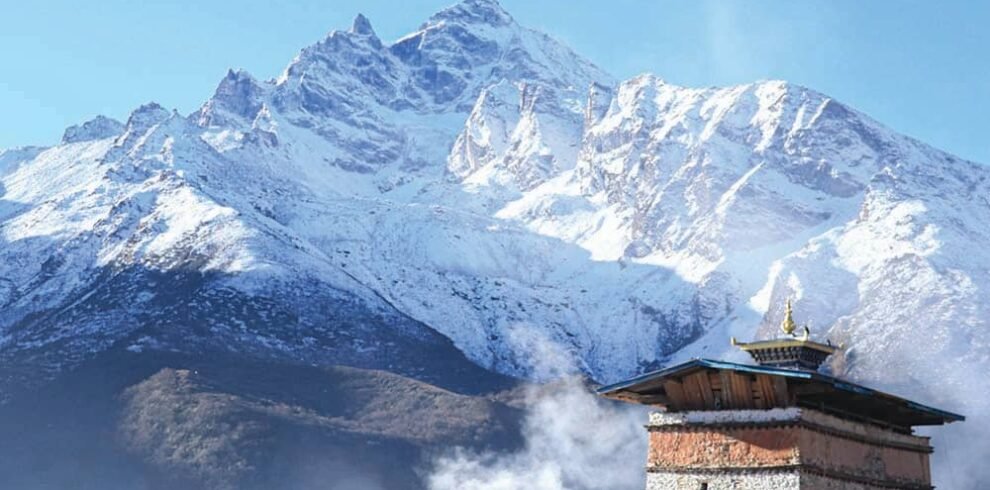
The Summit: An early alpine start takes us up to Chele La Pass (3,988m), the highest motorable point in Bhutan. Catching dawn here reveals spectacular views of Mount Jhomolhari (7,219m) and might offer a look at a Grey Nightjar sitting directly on the roadside.
The Alpine Sweep: We sweep the bamboo edges and high meadows for any missed high-altitude species: Himalayan Monal, Blood Pheasant, the ultra-rare Wood Snipe, Collared Grosbeak, and the elusive Brown Parrotbill. Look up to the sky for Bearded Vulture (Lammergeier), Hen Harrier and Long-legged Buzzard.
The Ultimate Target: Descending to the valley floor, we make our final, highly anticipated stop along the rocky braids of the Pa Chhu River. This is the premier location to spot the legendary Ibisbill. Seeing this uniquely adapted bird working the glacial stones is the perfect grand finale to our trip.
Farewell: Conclude your adventure with a grand farewell dinner at the hotel to toast your new life-list additions.
Overnight: Paro (2,300m).
After a final breakfast, enjoy a private transfer to Paro International Airport for your departing flight, taking home memories of rare lifers, pristine forests, and the magical Kingdom of Bhutan.
Cost
The Cost Includes
- Complete Hassle-Free Visa Processing & Government Clearances
- Full Sustainable Development Fee (SDF)
- All Monument, Dzong, Museum, and Temple Entry Fees.
- Private Transport (Dedicated SUV or touring vehicle with an expert professional driver).
- Your Own Private English-Speaking Birding & Cultural Guide.
- Handpicked Accommodations: 3-Star hotels, heritage homestays, and fully serviced wilderness lodge/campsites.
- Daily Fine Dining: All breakfasts, lunches, dinners, and daily tea/coffee, along with packed field lunches for wilderness segments.
The Cost Excludes
- International airfare to/from Paro International Airport.
- Personal premium refreshments, bottled beverages, and alcoholic drinks.
- Customary tips and gratuities for guides and drivers.
- Expenses of a purely personal nature.
- Travel Insurance.
FAQs
General
Yes. All international visitors (except citizens of India) require a visa to enter Bhutan. Your licensed Bhutanese tour operator will arrange the visa on your behalf before your arrival.
The Sustainable Development Fee (SDF) is a daily fee charged by the Royal Government of Bhutan to support sustainable tourism, environmental conservation, healthcare, education, and infrastructure development.
The main international gateway is Paro International Airport. Direct flights operate from selected cities in Thailand, Nepal, India, Singapore, and other regional destinations.
Yes. Bhutan is one of the safest travel destinations in the world, known for its low crime rate, friendly people, and peaceful environment.
The official currency is the Bhutanese Ngultrum (BTN). Indian Rupees are also widely accepted in most places.
Major hotels, shops, and restaurants in larger towns accept credit cards. However, carrying some cash is recommended when traveling to remote areas.
Pack comfortable walking shoes, layered clothing, a light jacket, sunscreen, sunglasses, a reusable water bottle, and any personal medications. Trekking tours may require additional gear.
Most cultural tours stay at comfortable elevations. However, high-altitude destinations and treks may reach over 3,000 meters, where some travelers may experience mild altitude-related symptoms.
Yes. Paro Taktsang, commonly known as Tiger's Nest, is Bhutan's most iconic attraction and can be visited as part of most itineraries.
The national language is Dzongkha. English is widely spoken in tourism-related services, hotels, and schools.
Absolutely. Bhutan offers family-friendly cultural experiences, nature walks, wildlife encounters, and comfortable accommodations suitable for travelers of all ages.
Visitors can choose from boutique hotels, luxury resorts, heritage homestays, traditional farmhouses, and comfortable trekking camps depending on their itinerary.
Yes. Comprehensive travel insurance covering medical emergencies, trip cancellations, and evacuation is highly recommended for all visitors.
A stay of 5–10 days is ideal for first-time visitors, allowing enough time to explore major cultural attractions, scenic valleys, monasteries, and local traditions.
Yes. Most tour operators offer tailor-made itineraries based on your interests, travel dates, budget, and preferred activities.
Bhutan hosts vibrant religious festivals called Tshechus throughout the year, featuring masked dances, cultural performances, and local celebrations.
Yes. Bhutan is renowned for its pristine trekking routes, ranging from short scenic hikes to challenging high-altitude expeditions, including the famous Snowman Trek.
Bhutan is the world's only carbon-negative country and is internationally recognized for its philosophy of Gross National Happiness, strong cultural preservation, and commitment to sustainable tourism.
Simply contact a licensed Bhutanese tour operator, choose your preferred itinerary, submit your passport details, and your visa and travel arrangements will be organized for you.
Booking Requirement
- Payment Transfer: Upon confirming your booking, tour costs must be transferred in advance to finalize visa processing and reservations.
- Passport Documentation: Please submit a clear, color photo-page scan of your passport along with a passport-sized digital photograph to initiate visa processing.
- Optional Flight Ticketing: If requested, we can arrange your Drukair or Bhutan Airlines flights. Please share your preferred travel dates, preferred route, and travel class.