Overview
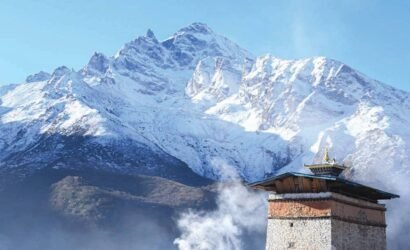
Few places on earth hold the mystique of the Thunder Dragon. Fewer still offer the chance to stand in pristine, emerald waters, casting for the legendary Golden Mahseer – the “King of the Rivers” – under the shadow of ancient fortresses. This exclusive 11-day itinerary is meticulously designed for the discerning traveler: part cultural pilgrimage, part world-class angling expedition. From the sacred, high-altitude monasteries of Paro to the untamed, jungle freestone pools of the southern border, you will experience a Bhutan rarely seen by outsiders.
Highlights
- Experience the ultimate balance of thrilling outdoor adventure and profound cultural exploration in one of Earth's most exclusive destinations.
- Cast into pristine, uncrowded jungle rivers to battle the legendary Golden Mahseer, experience world-class sport fishing in untouched wildness.
- Discover ancient Himalayan fortresses and sacred monasteries, immerse yourself in a deeply spiritual culture untouched by modern distractions.
Itinerary
The Welcome: Your journey begins the moment your flight banks into Paro International Airport, where you will be met by your expert private guide and driver.
The Capital Current: We immediately chart a course along the river valleys to Thimphu, the kingdom’s capital city. Strikingly modern yet deeply traditional, Thimphu uniquely operates as one of the only capital cities on Earth completely devoid of traffic lights, its rhythm directed by the elegant choreography of traffic policemen.
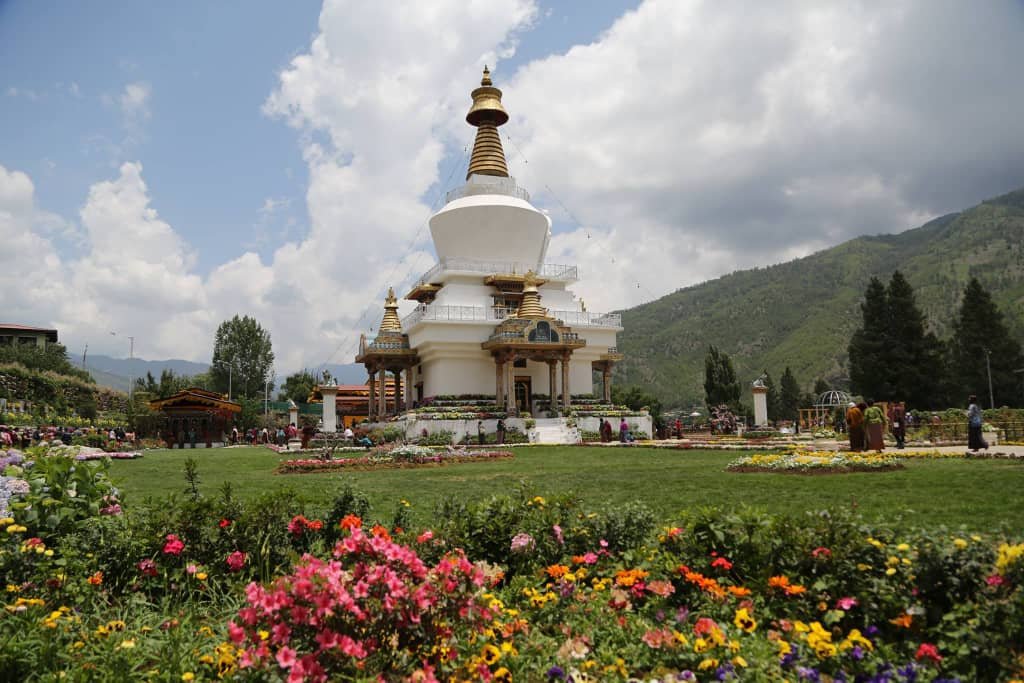
Sacred Foundations: Step up to the National Memorial Chorten, a monument dedicated to world peace where the air is thick with incense and the murmurs of devotees circumambulating the stupa from dawn until dusk.
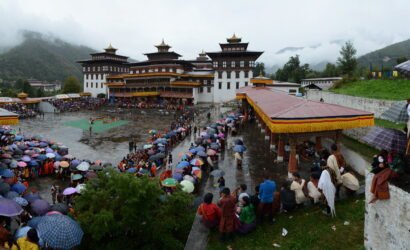
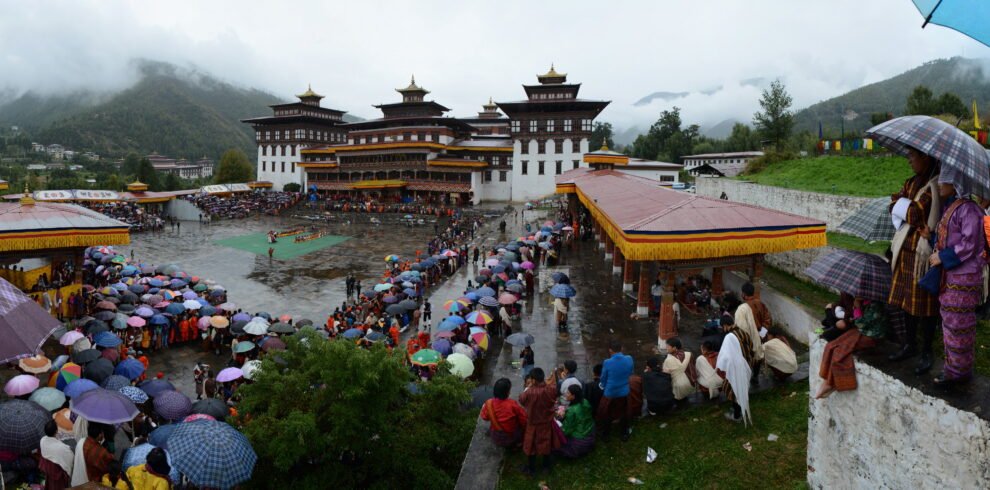
The Living Fortress: As twilight approaches, explore the colossal Tashichho Dzong. Originally erected in 1641 by the unifier of Bhutan, Zhabdrung Ngawang Namgyal, this "Fortress of the Auspicious Religion" houses the golden Dragon Throne of the King and serves as the summer seat of the country's central monk body.
Local Colors: Wander the vibrant aisles of the Centenary Farmers Market, interacting with local growers amidst mountains of organic produce, before a relaxing stroll through the local craft bazaars.
Overnight: Thimphu.
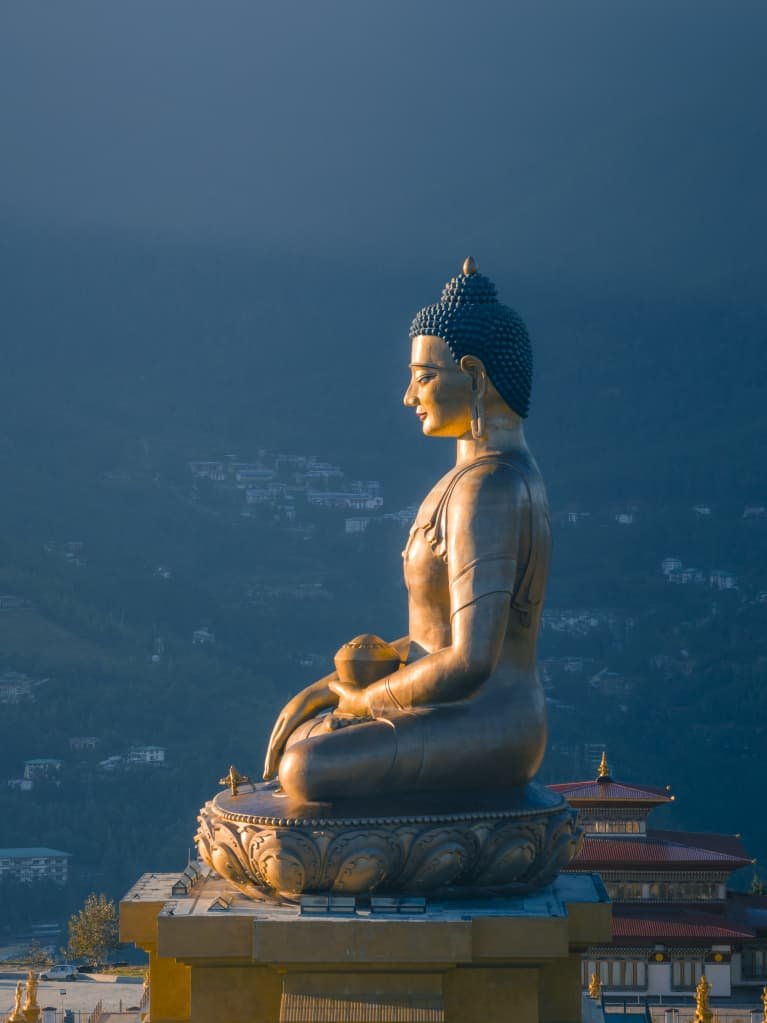
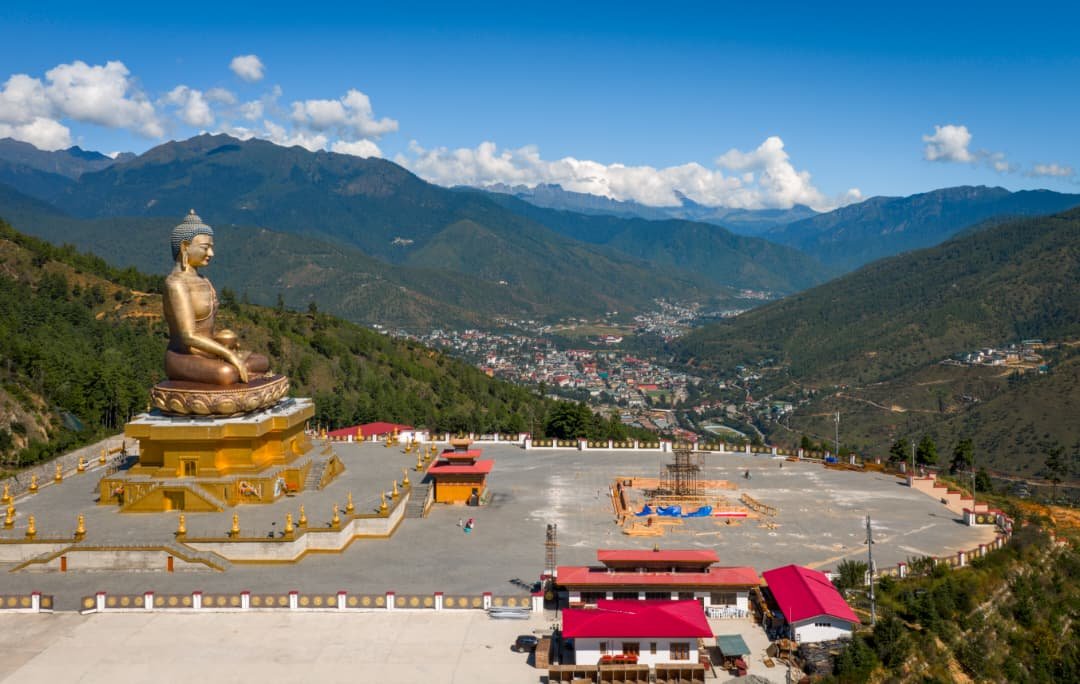
The Golden Overseer: Start your morning at Buddha Point, standing at the feet of a breathtaking, 51-meter bronze Shakyamuni Buddha statue gilded in pure gold, offering unmatched panoramic views of the entire valley floor. For those seeking to read the terrain, the surrounding single-track trails are famous for pristine mountain biking and alpine hiking.
Culture Immersion: Experience the living heritage of the kingdom at the Simply Bhutan Museum, where you can don the traditional national attire, witness energetic folk dances, and test your steady hand at the national sport of archery.
Mystical Wildlife: Visit the Takin Preserve to encounter Bhutan’s bizarre and beautiful national animal, a creature wrapped in 15th-century legends of the Divine Madman, Lama Drukpa Kuenley. Afterward, stop by the Bhutan Postal Museum to explore the evolution of Himalayan communication and print your own valid, personalized postage stamps to send letters back home.
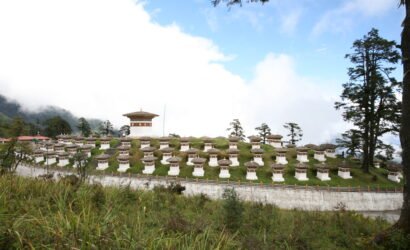
Ascent & Descent: Begin a dramatic 3-hour mountain drive to the sub-tropical Punakha Valley. En route, we crest the majestic Dochula Pass (3,100 meters), where 108 sacred stupas stand guard against a staggering backdrop of the snow-capped Eastern Himalayas.
The Flora & The Faith: Wind down through the Lamperi Botanical Park, a 47-square-kilometer biodiversity sanctuary boasting 29 native species of rhododendrons.
Overnight: Punakha.
The Valley Vista: Enjoy a refreshing morning trek through whispering pine forests up to the architectural gem of Khamsum Yulley Namgyel Chorten, rewarding you with a postcard-perfect view of the winding valley below.
Where Rivers Meet: Spend your afternoon at the historic Punakha Dzong (The Fortress of Great Bliss). For an enthusiast of water, its setting is flawless: a massive, magnificent stronghold built in 1673, positioned perfectly at the confluence of two powerful, distinct river systems—the Pho Chhu (Male River) and the Mo Chhu (Female River). This ancient capital has survived floods and fires, hosting monumental events from the crowning of the first King to the historic 2011 Royal Wedding.
End the day with a gentle 30-minute walk through vibrant emerald paddy fields to Chimi Lhakhang, the famous hilltop fertility temple dedicated to the unorthodox, crazy teaching methods of Lama Drukpa Kuenley.
Overnight: Punakha.
The High Highlands: Travel upward to the striking, wide open glacial topography of the Gangtey and Phobjikha Valley, widely considered one of the most beautiful rural landscapes in the country.
Avian Sanctum: This pristine alpine marshland is the protected winter refuge of the endangered, deeply revered Black-Necked Cranes that migrate across the Himalayas from Tibet.
Serene Hikes: Tour the hilltop Gangtey Monastery, a vital bastion of the ancient Nyingmapa school of Buddhism, before embarking on a peaceful 1-hour walk along the Gangtey Nature Trail, passing traditional village homesteads.
Overnight: Gangtey Valley.
The Great Transition: Set out early for a spectacular, long southwards drive into the Zhemgang district, the gateway to Bhutan's lush, sub-tropical southern jungle belt.
High Passes to Deep Gorges: Cross the high Pelela Pass (3,420 meters), tracing remote highland settlements like Sephu and Chendebjee—home to a striking stupa built as a replica of Nepal’s famous Boudanath. Take in the jaw dropping vista of Trongsa Dzong from the mountain viewpoint as the terrain begins to radically shift.
Jungle Bound: Feel the temperature warm and the air sweeten as the alpine pine gives way to dense jungle foliage. Arrive late in the afternoon at an exclusive, jungle-edge eco-camp on the banks of the river system.
Overnight: Panbang.
The Prime Waters: Transfer directly to our specialized riverside wilderness camp right on the edge of the Manas River, situated near the remote Bhutan-India border. This is untouched, highly restricted aquatic territory.
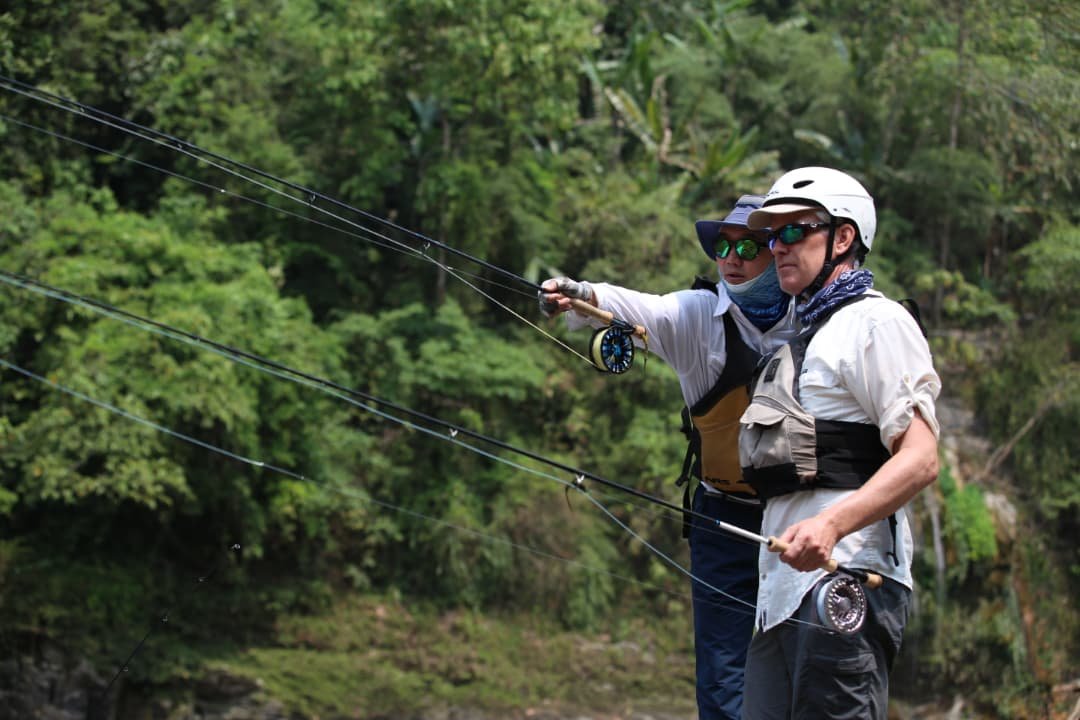
The Pursuit: Spend a full, uninterrupted day on the water under the guidance of expert river guides. We are targeting the absolute holy grail of freshwater sportfish: the Golden Mahseer (Tor putitora).
Tactical Angling: Read the water to pinpoint deep, swirling jungle pools and highly productive gravel runs where these powerful fish feed. Whether you are swinging heavy flies through the current or placing precise lures into pocket water, hooking a Mahseer will test your drag, your knots, and your nerves like no other freshwater fish on Earth.
Campfire Lore: As night falls over the canopy, enjoy a premium wilderness campfire dinner, sharing drinks and angling tactics with local fish scouts who know every rock and deep run of this legendary river system.
Overnight: Riverside Tented Camp.
The Vanguard Seat: Bid farewell to the river and trace the route north to the massive Trongsa Fortress, the largest and most imposing dzong structure in Bhutan. Built in 1647 upon a sacred 14th-century temple site, this ancient citadel served as the vital seat of power from which the first and second Kings unified the nation.
The Watchtower: Explore the commanding Taa Dzong, a former medieval watchtower built in 1652 that stood guard over the fortress, now beautifully converted into the National Museum housing rare royal artifacts and historic relics.
To the High Valleys: Drive another 2 hours over the scenic Yotongla Pass (3,400 meters) into Bumthang Valley. En route, stop at the Chumey Weaving Center in Chumey village to watch local masters weave Yathra, the iconic, tightly woven patterned textiles made from authentic yak and sheep wool.
Overnight: Bumthang Valley.
The Sacred Trio: After a traditional Bumthang breakfast, take a peaceful walking tour through a trio of the kingdom's most ancient, mythic monasteries: Jambay Lhakhang (a 7th-century twin temple built overnight by a Tibetan King), Kurjey Lhakhang (where Great Guru Padmasambhava meditated and left his physical body imprint in a cave wall) , and Tamzhing Lhakhang (founded in 1501 by the great treasure-revealer Pema Lingpa).
The Burning Lake: Travel to Mebar Tsho (The Burning Lake). A deeply spiritual site for water lovers, this sacred pool in a rushing river gorge is where Pema Lingpa submersed himself holding a lit oil lamp, later emerging from the depths with hidden spiritual treasures and the lamp still burning bright.
White Birds & Water Towers: Tour Jakar Dzong (The Fortress of the White Bird), named after an auspicious omen witnessed in the 16th century. Walk down to the unique Chu Dzong (Water Tower), a historic, sheltered defensive passage that guaranteed fortified access to fresh water during times of medieval siege.
Artisanal Rewards: Conclude your day with a tour of the local Beer Brewery and Swiss Cheese Factory, sampling freshly poured craft Red Panda Beer and locally produced cheeses, a delightful culinary anomaly in central Bhutan.
Overnight: Bumthang.
Aerial Splendor: Skip the long drive and board a spectacular, 30-minute domestic flight over the spine of the mountains back to Paro.
The Jewel on the River: Upon landing, explore Paro Rinpung Dzong ("The Fortress on a Heap of Jewels"). Built in 1646, it sits majestically overlooking the waters of the Pa Chhu (Paro River), providing a stunning vantage point of the valley.
Ancient Antiques: Walk up to Paro's own Taa Dzong, a strategic 1645 watchtower converted in 1968 into the National Museum, showcasing premium collections of Bhutanese natural history, cultural relics, and ancient philatelic treasures.
Overnight: Paro.
The Crown Jewel Hike: Prepare for the grand finale of your journey—the iconic pilgrimage to Taktsang Monastery, universally known as the Tiger’s Nest. Perched precariously on a sheer granite cliffside 900 meters above the Paro valley floor, this is the ultimate highlight of Bhutan.
The Legend: Hike 3 hours uphill through blue pines and prayer flags to the spot where Guru Padmasambhava miraculously flew on the back of a tigress in the 8th century to subdue local demons and meditate deep within the caves. Enjoy a well-deserved lunch and tea at the midway panoramic cafeteria.
Timeless Origins: On the drive back, make a final stop at Kyichu Lhakhang, one of the absolute oldest and most sacred temples in the kingdom, built in the 7th century by Tibetan King Songsten Gampo.
The Angler's Repose: Spend your final evening inside an authentic, traditional Bhutanese farmhouse. Submerge your tired casting arms and hiking legs into a therapeutic Bhutanese hot stone bath, where river stones heated to a glow are dropped into a wooden tub filled with medicinal herbs. Follow this with a home-cooked, family-style traditional dinner and drinks with the host family.
Overnight: Paro.
The Farewell: After a final breakfast, enjoy a private transfer back to Paro International Airport. Your private guide and driver will bid you farewell at the terminal, wishing you safe travels until you return to cast into the emerald waters of Bhutan once again.
Cost
The Cost Includes
- Complete Hassle-Free Visa Processing & Government Clearances
- Full Sustainable Development Fee (SDF)
- All Monument, Dzong, Museum, and Temple Entry Fees.
- Private Transport (Dedicated SUV or touring vehicle with an expert professional driver).
- Your Own Private English-Speaking Cultural & Trekking Guide.
- Handpicked Accommodations: 3-Star premium hotels, heritage home stays, and fully serviced wilderness campsites.
- Park permit and fly-fishing team: All your fishing gears and equipments.
- Daily Fine Dining: All breakfasts, lunches, dinners, and daily tea/coffee, along with packed field lunches for wilderness segments.
The Cost Excludes
- International airfare to/from Paro Airport
- Personal premium refreshments, bottled beverages, and alcoholic drinks
- Customary tips and gratuities for guides and drivers
- Expenses of a purely personal nature
- Travel Insurance
FAQs
General
Yes. All international visitors (except citizens of India) require a visa to enter Bhutan. Your licensed Bhutanese tour operator will arrange the visa on your behalf before your arrival.
The Sustainable Development Fee (SDF) is a daily fee charged by the Royal Government of Bhutan to support sustainable tourism, environmental conservation, healthcare, education, and infrastructure development.
The main international gateway is Paro International Airport. Direct flights operate from selected cities in Thailand, Nepal, India, Singapore, and other regional destinations.
Yes. Bhutan is one of the safest travel destinations in the world, known for its low crime rate, friendly people, and peaceful environment.
The official currency is the Bhutanese Ngultrum (BTN). Indian Rupees are also widely accepted in most places.
Major hotels, shops, and restaurants in larger towns accept credit cards. However, carrying some cash is recommended when traveling to remote areas.
Pack comfortable walking shoes, layered clothing, a light jacket, sunscreen, sunglasses, a reusable water bottle, and any personal medications. Trekking tours may require additional gear.
Most cultural tours stay at comfortable elevations. However, high-altitude destinations and treks may reach over 3,000 meters, where some travelers may experience mild altitude-related symptoms.
Yes. Paro Taktsang, commonly known as Tiger's Nest, is Bhutan's most iconic attraction and can be visited as part of most itineraries.
The national language is Dzongkha. English is widely spoken in tourism-related services, hotels, and schools.
Absolutely. Bhutan offers family-friendly cultural experiences, nature walks, wildlife encounters, and comfortable accommodations suitable for travelers of all ages.
Visitors can choose from boutique hotels, luxury resorts, heritage homestays, traditional farmhouses, and comfortable trekking camps depending on their itinerary.
Yes. Comprehensive travel insurance covering medical emergencies, trip cancellations, and evacuation is highly recommended for all visitors.
A stay of 5–10 days is ideal for first-time visitors, allowing enough time to explore major cultural attractions, scenic valleys, monasteries, and local traditions.
Yes. Most tour operators offer tailor-made itineraries based on your interests, travel dates, budget, and preferred activities.
Bhutan hosts vibrant religious festivals called Tshechus throughout the year, featuring masked dances, cultural performances, and local celebrations.
Yes. Bhutan is renowned for its pristine trekking routes, ranging from short scenic hikes to challenging high-altitude expeditions, including the famous Snowman Trek.
Bhutan is the world's only carbon-negative country and is internationally recognized for its philosophy of Gross National Happiness, strong cultural preservation, and commitment to sustainable tourism.
Simply contact a licensed Bhutanese tour operator, choose your preferred itinerary, submit your passport details, and your visa and travel arrangements will be organized for you.
Booking Requirement
- Payment Transfer: Upon confirming your booking, tour costs must be transferred in advance to finalize visa processing and reservations.
- Passport Documentation: Please submit a clear, color photo-page scan of your passport along with a passport-sized digital photograph to initiate visa processing.
- Optional Flight Ticketing: If requested, we can arrange your Drukair or Bhutan Airlines flights. Please share your preferred travel dates, preferred route, and travel