Overview
Most travelers only see the surface of Bhutan. This curated journey is designed for the deliberate explorer. It strips away the predictable tourist routes to plunge you into the raw, mystical heart of the Himalayas: crossing Bhutan’s highest motorable pass, living alongside highland nomads, sleeping in a cliffside monastery, and approaching the iconic Tiger’s Nest Monastery from the mountains above.
Highlights
- Venture beyond the tourist trail through the remote Haa Valley, Gasa, and Laya, experiencing authentic Bhutanese culture, highland nomad communities, and untouched Himalayan landscapes.
- Enjoy exclusive spiritual experiences, including an overnight stay at Dodeydra Monastery, visits to ancient hermitages and nunneries, and a unique approach to Tiger's Nest Monastery from the mountains above.
- Trek across Bhutan's most spectacular high-altitude regions, crossing Chelela Pass, exploring glacial valleys, soaking in Gasa Hot Springs, and camping beneath the stars at sacred Bumdrak.
Itinerary
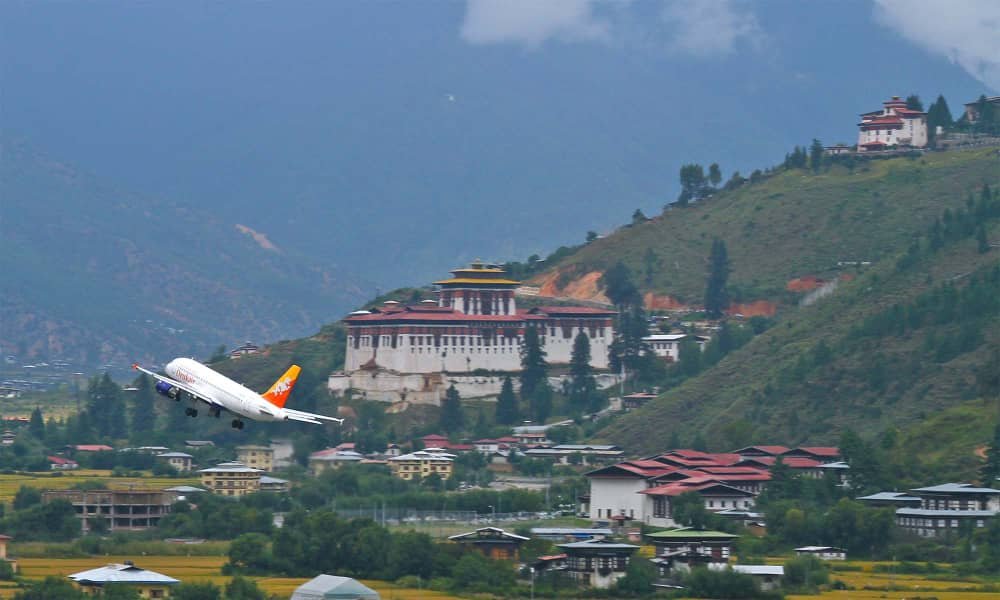
The Royal Welcome: Step off the plane into the crisp mountain air of Paro International Airport, where your private guide and driver await to introduce you to the land of Gross National Happiness.
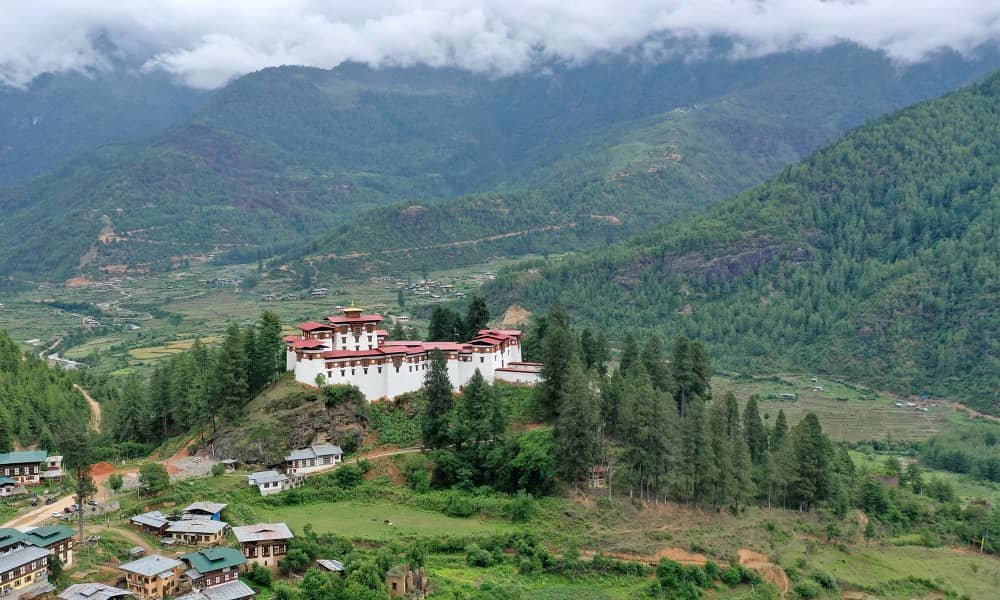
Fortress on a Heap of Jewels: Step inside the massive, whitewashed walls of Paro Rinpung Dzong (built in 1646), an architectural marvel looming over the glacial waters of the Pa Chhu river.
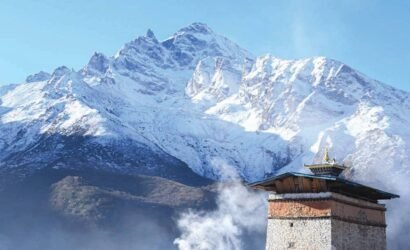
A Treasure Trove of Antiquities: Explore the Taa Dzong, a 17th-century cylindrical watchtower transformed into the National Museum, housing sacred relics, ancient armor, and Bhutan's captivating natural history.
Overnight: Paro.
The High-Altitude Passage: Ascend through pristine pine forests to the spine of the mountains: Chelela Pass (3,988m). Stand at the highest motorable pass in the Kingdom, taking in the grand, sweeping vistas of both the Paro and Haa valleys simultaneously. If traveling in spring, you will walk among wild, vibrant Blue Poppies, Bhutan’s rare national flower.
The Valley of the Spirits: Drop into the Haa Valley, a region closed to foreigners until 2002. Pay your respects at the mythic Black and White Temples, and hike to the secret, cliff-clinging sanctuary of Shelkar Drak.
The Living Heritage: Check into a beautifully preserved traditional estate, bypassing standard hotels for an authentic immersion.
Overnight: Soednam Zingkha Heritage Homestay, Haa.
The Ridgeline Trail (Distance: 11km / Time: 4–5 Hours): Embark on the exclusive Haa Panorama Hike, a trail designed to showcase the full, unedited majesty of the valley below.
Sacred Solitude: Wind your way to the remote Yangthong Goemba and the gravity-defying Juneydrak Hermitage, built directly into the rock face.
Overnight: Soednam Zingkha Heritage Homestay, Haa.
The Hermits of Kila Gomba: Break up your return drive with an extraordinary 2-hour hike from Chelela Pass to Kila Gomba. This ancient nunnery clings precariously to a sheer cliff face. Here, you will witness a world of absolute serenity, observing the daily lives of Buddhist nuns living in self-imposed, meditative isolation.
The Photographers' Route: Travel onwards to Thimphu, stopping at your leisure to capture striking landscapes and timeless mountain hamlets.
Overnight: Thimphu.
The Giant Buddha: Gaze up at the Buddha Dordenma, a golden, 51-meter Shakyamuni Buddha statue dominating the Thimphu skyline. Take an optional trek along the panoramic single-track mountain trails surrounding the monument.
A Living Cultural Studio: Visit Simply Bhutan, an interactive museum where you can sample fiery local cuisine, try your hand at the national sport of archery, and don traditional Bhutanese garments.
Exclusive Overnight Experience (Time: 2–3 Hour Hike): Leave the modern world completely behind. Hike into the forested hills to Dodeydra Monastery. Instead of a hotel, you will spend the night inside the monastery. Share meals, share stories, and quietly participate in the evening prayers and morning rituals alongside the resident Buddhist monks.
Overnight: Dodeydra Monastery.
Return to Earth: Wake up to the sound of morning chanting before hiking back down into the capital valley.
Philatelic Wonders: Visit the Bhutan Postal Museum, where you can print official, legally valid Bhutanese postage stamps featuring your own photograph to mail postcards back home.
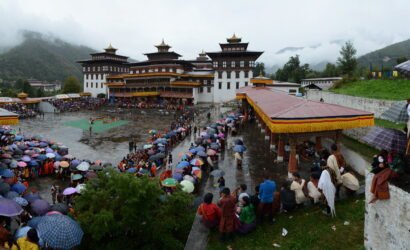
The Palace of the Dragon Throne: Tour Tashichho Dzong, a grand fortress serving as the seat of government, the King’s throne room, and the summer home of the central monk body.
The Living Market: Wander through the vibrant Centenary Farmers Market, interacting with local growers amidst stalls of organic wild ferns, yak cheese, and regional spices.
Overnight: Thimphu.
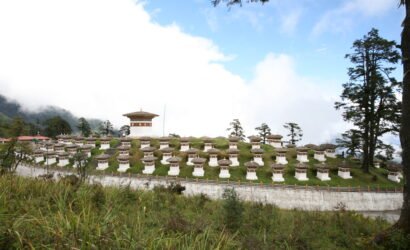
The 108 Stupas of Dochula: Cross the breathtaking Dochula Pass (3,100m), where a sea of 108 memorial stupas stands guard against a backdrop of the snow-crested Eastern Himalayas.
The Ridge of Light: Take the optional Lungchutse Hike through rhododendron forests for a stunning, 360-degree theater view of the Himalayan high peaks.
The Palace of Confluences: Descend into the sub-tropical Punakha valley to stand before Punakha Dzong, arguably the most beautiful fortress in the kingdom. Sitting dramatically at the junction of the Pho Chhu (Male) and Mo Chhu (Female) rivers, this historic stronghold was the birthplace of modern Bhutan and host to the historic 2011 Royal Wedding.
Overnight: Punakha.
The Northern Frontier: Drive deep into the rugged northern wilderness to Gasa Tashi Thongmon Dzong, a remote fortress seemingly suspended in the clouds, built centuries ago to defend against northern invasions.
The Imperial Hot Springs: Reward your journey by soaking in the medicinal, natural Gasa Hot Springs, a revered Himalayan wellness site frequented by locals for its therapeutic properties.
Overnight: Hot Spring Guest House, Gasa.
The Trek into Yesterday (Time: 2-Hour Drive / 3-Hour Hike): Leave the road behind entirely. Lace up your boots for a striking 3-hour wilderness trek up to Laya, the highest permanent settlement in Bhutan.
An Untouched Nomad Culture: Spend two full days immersed in a world completely cut off from mainstream tourism. The Layap people possess their own distinct language, unique customs, and striking conical bamboo hats topped with spiked counterweights.
Alpine Explorations: Hike to secret glacial lakes, visit the local schoolhouse, and sit by wood-fired stoves inside traditional stone farmhouses.
Overnight: High-Alpine Campsite / Highlander Homestay.
The Mountain Descent: Trek back down the valley to meet your private SUV, pausing to absorb your final look at the raw northern peaks before driving back to the comforts of Punakha.
Overnight: Punakha.
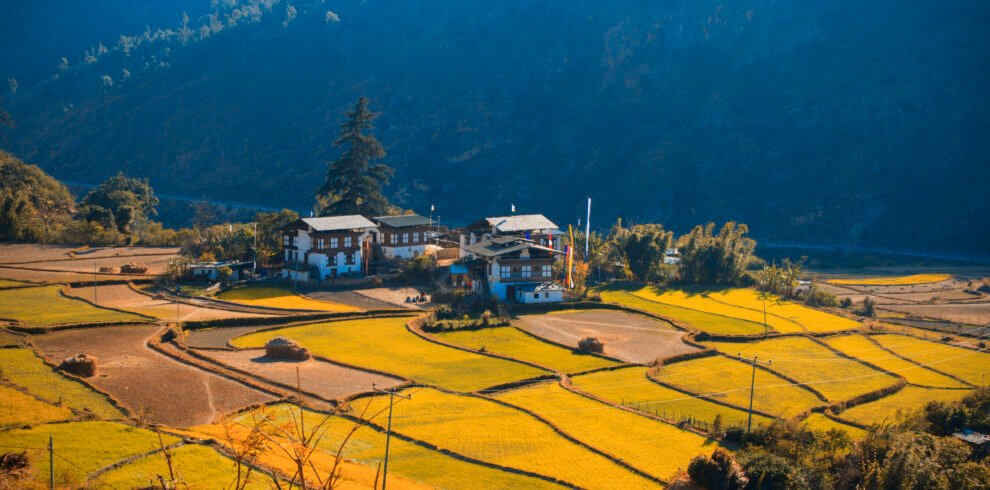
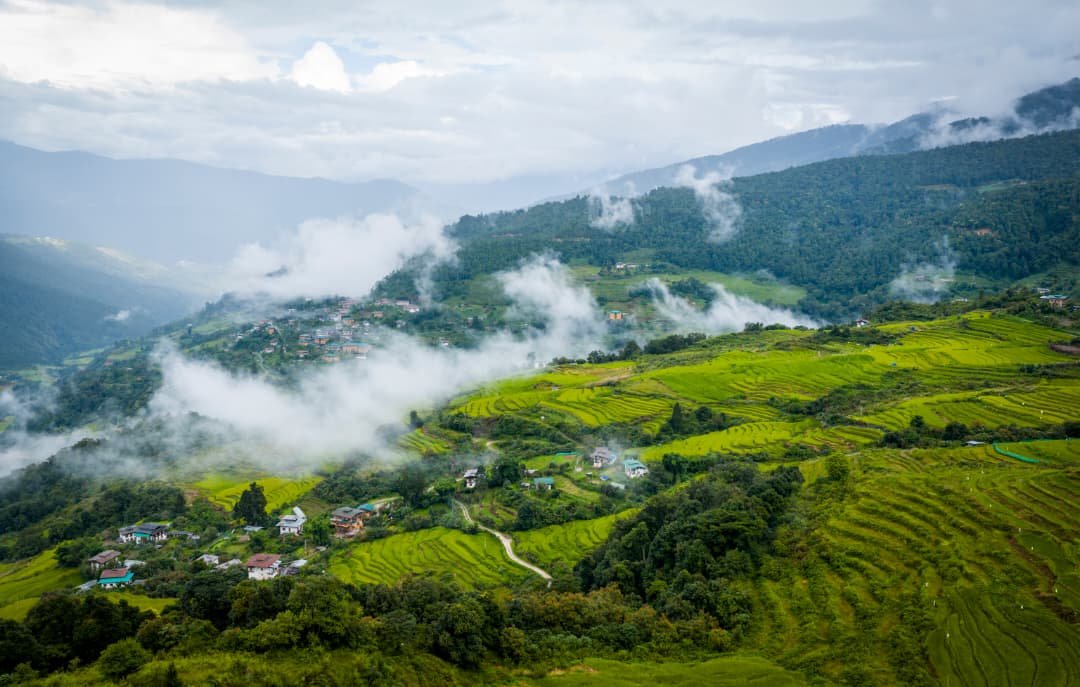
The Crown Jewel of Chortens: Take an idyllic morning walk through emerald-green rice terraces and pine forests to Khamsum Yulley Namgyel Chorten, a stunning monument built by the Queen Mother to bring peace to the world.
The Temple of the Divine Madman: Stroll through the rolling countryside to Chimi Lhakhang, the iconic 15th-century fertility temple. Learn the fascinating history of Lama Drukpa Kuenley, who used outrageous, eccentric behavior to challenge orthodox religious boundaries.
Overnight: Paro.
The Backdoor Route (Time: 4–5 Hour Hike): Most tourists hike to Tiger’s Nest from the crowded bottom gate. You won't. Instead, drive to the Sang Choekor Buddhist College to begin an exclusive trek up the mountain.
The Cliff of a Thousand Prayers: Climb through pristine forests to the Bumdrak Monastery Campsite (3,800m), a sacred place of a thousand footprints.
The Sky Burial Ridge: In the late afternoon, make a final push to a high-altitude sky burial ridge (4,200m) for an elite, uninhibited birds-eye view of the world below.
Overnight: High-luxury wilderness camping at Bumdrak under a canopy of stars.
The Sacred Descent: Wake up in the clouds. After breakfast, trek downhill to enter Taktsang Monastery (The Tiger’s Nest) through the mountain's exclusive upper approach.
The Icon of Bhutan: Clinging to a vertical cliff 3,150 meters above the valley floor, this is Bhutan's most sacred cultural icon. Explore the hidden cave chambers where Guru Padmasambhava meditated in the 8th century after arriving on the back of a flying tigress.
The Celebration: Descend to the valley floor where your private SUV awaits. Celebrate your final evening at a local farmhouse, soaking your tired muscles in a traditional Bhutanese hot stone bath infused with medicinal herbs, followed by an authentic farewell feast.
Overnight: Paro.
After breakfast, your guide and driver will escort you to Paro International Airport for your onward flight, bidding you a warm farewell with wishes of Tashi Delek (Good Fortune) until we meet again.
Cost
The Cost Includes
- Complete Hassle-Free Visa Processing & Government Clearances
- Full Sustainable Development Fee (SDF)
- All Monument, Dzong, Museum, and Temple Entry Fees.
- Private Transport (Dedicated SUV or touring vehicle with an expert professional driver).
- Your Own Private English-Speaking Cultural & Trekking Guide.
- Handpicked Accommodations: 3-Star hotels, sacred monastic stays, heritage home stays and fully serviced wilderness campsites.
- Daily Fine Dining: All breakfasts, lunches, dinners, and daily tea/coffee, along with packed field lunches for wilderness segments.
The Cost Excludes
- International airfare to/from Paro International Airport.
- Personal premium refreshments, bottled beverages, and alcoholic drinks.
- Customary tips and gratuities for guides and drivers.
- Expenses of a purely personal nature.
- Travel Insurance.
FAQs
General
Yes. All international visitors (except citizens of India) require a visa to enter Bhutan. Your licensed Bhutanese tour operator will arrange the visa on your behalf before your arrival.
The Sustainable Development Fee (SDF) is a daily fee charged by the Royal Government of Bhutan to support sustainable tourism, environmental conservation, healthcare, education, and infrastructure development.
The main international gateway is Paro International Airport. Direct flights operate from selected cities in Thailand, Nepal, India, Singapore, and other regional destinations.
Yes. Bhutan is one of the safest travel destinations in the world, known for its low crime rate, friendly people, and peaceful environment.
The official currency is the Bhutanese Ngultrum (BTN). Indian Rupees are also widely accepted in most places.
Major hotels, shops, and restaurants in larger towns accept credit cards. However, carrying some cash is recommended when traveling to remote areas.
Pack comfortable walking shoes, layered clothing, a light jacket, sunscreen, sunglasses, a reusable water bottle, and any personal medications. Trekking tours may require additional gear.
Most cultural tours stay at comfortable elevations. However, high-altitude destinations and treks may reach over 3,000 meters, where some travelers may experience mild altitude-related symptoms.
Yes. Paro Taktsang, commonly known as Tiger's Nest, is Bhutan's most iconic attraction and can be visited as part of most itineraries.
The national language is Dzongkha. English is widely spoken in tourism-related services, hotels, and schools.
Absolutely. Bhutan offers family-friendly cultural experiences, nature walks, wildlife encounters, and comfortable accommodations suitable for travelers of all ages.
Visitors can choose from boutique hotels, luxury resorts, heritage homestays, traditional farmhouses, and comfortable trekking camps depending on their itinerary.
Yes. Comprehensive travel insurance covering medical emergencies, trip cancellations, and evacuation is highly recommended for all visitors.
A stay of 5–10 days is ideal for first-time visitors, allowing enough time to explore major cultural attractions, scenic valleys, monasteries, and local traditions.
Yes. Most tour operators offer tailor-made itineraries based on your interests, travel dates, budget, and preferred activities.
Bhutan hosts vibrant religious festivals called Tshechus throughout the year, featuring masked dances, cultural performances, and local celebrations.
Yes. Bhutan is renowned for its pristine trekking routes, ranging from short scenic hikes to challenging high-altitude expeditions, including the famous Snowman Trek.
Bhutan is the world's only carbon-negative country and is internationally recognized for its philosophy of Gross National Happiness, strong cultural preservation, and commitment to sustainable tourism.
Simply contact a licensed Bhutanese tour operator, choose your preferred itinerary, submit your passport details, and your visa and travel arrangements will be organized for you.
Booking Requirement
- Payment Transfer: Upon confirming your booking, tour costs must be transferred in advance to finalize visa processing and reservations.
- Passport Documentation: Please submit a clear, color photo-page scan of your passport along with a passport-sized digital photograph to initiate visa processing.
- Optional Flight Ticketing: If requested, we can arrange your Drukair or Bhutan Airlines flights. Please share your preferred travel dates, preferred route, and travel class.